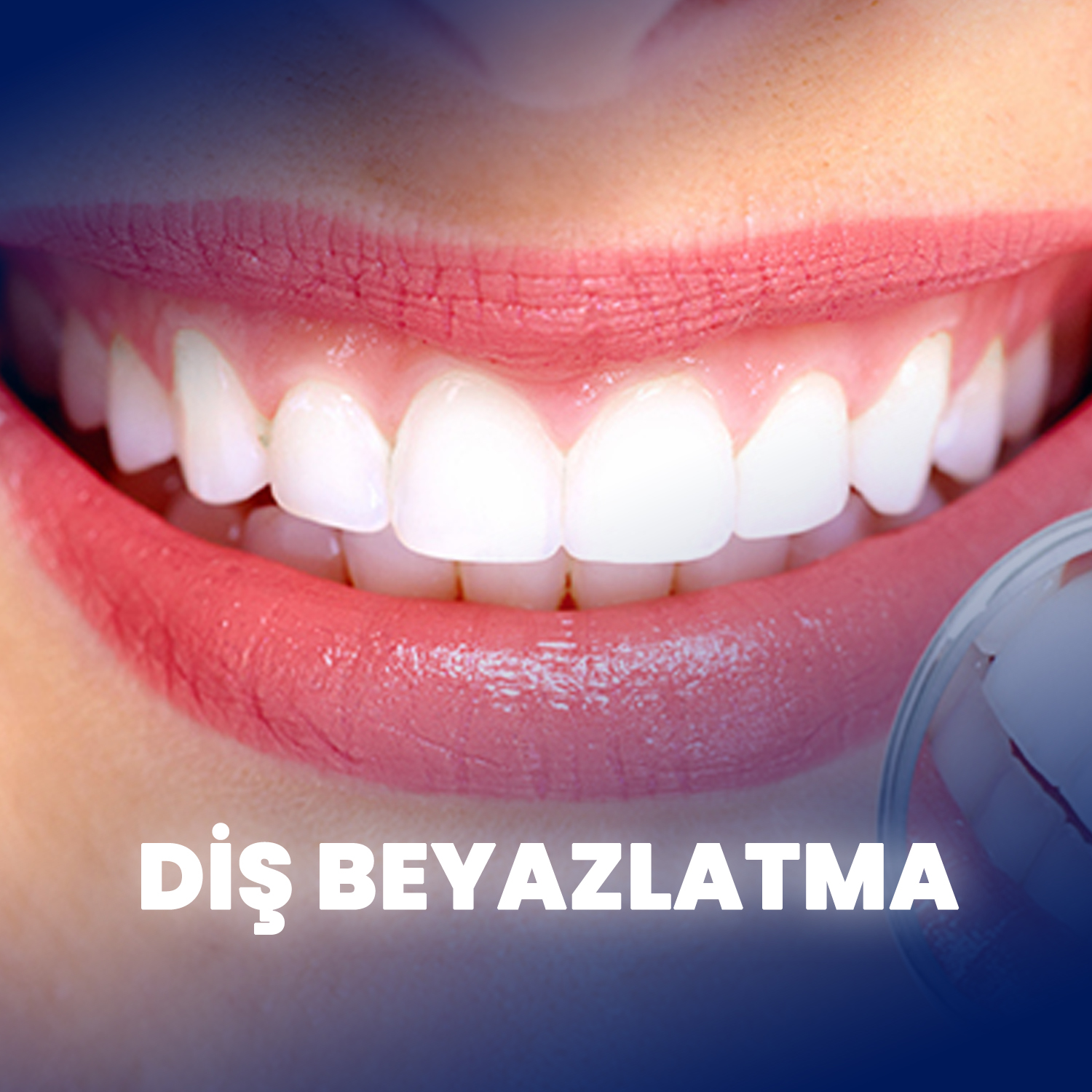
Diş Beyazlatma, son yıllarda estetik diş hekimliği alanında en popüler uygulamalardan biri haline gelmiştir. Dişlerdeki renk değişimleri, genetik faktörler, kötü ağız hijyeni, sigara kullanımı, kahve, çay gibi asidik içeceklerin tüketimi ve yaşlanma gibi sebeplerle meydana gelir. Diş beyazlatma tedavisi, bu renk değişimlerini gidermeyi ve daha estetik bir gülüş elde etmeyi amaçlar.
Diş Beyazlatma Yöntemleri
Diş beyazlatma tedavisi, farklı yöntemlerle yapılabilir. Bu yöntemler, kişinin ihtiyaçlarına ve dişlerinin mevcut durumuna göre seçilir.
Evde Beyazlatma Yöntemleri (Home Whitening): Evde diş beyazlatma, genellikle diş hekimi tarafından hazırlanan özel beyazlatma kitleri ile yapılır. Bu kitler, beyazlatıcı jel ve kişiye özel diş plağı içerir. Kişi, bu plağı belirli bir süre boyunca dişlerinde tutarak tedaviyi uygulayabilir. Evde yapılan beyazlatma tedavileri, genellikle daha yavaş sonuç verir ancak düzenli kullanım ile etkili olabilir.
Ofis Tipi Beyazlatma (In-Office Whitening): Diş hekimi tarafından yapılan ofis tipi beyazlatma, profesyonel bir tedavi yöntemidir. Bu yöntem, beyazlatma jelinin dişlere uygulanmasının yanı sıra, özel ışık veya lazer ile desteklenerek daha hızlı ve etkili sonuçlar elde edilmesini sağlar. Genellikle tek bir seansta önemli bir beyazlık elde edilir. Bu yöntem, dişlerin daha hızlı ve güvenli bir şekilde beyazlamasını sağlar.
Beyazlatıcı Diş Macunları: Diş beyazlatma tedavisinin en hafif yöntemlerinden biri beyazlatıcı diş macunları kullanmaktır. Bu macunlar, dişlerdeki yüzeysel lekeleri temizler. Ancak, bu macunlar genellikle dişlerin doğal rengini değiştiremez ve sadece dış yüzeydeki lekeleri giderir.
Diş Beyazlatma Tedavisinin Avantajları
Estetik Gelişme: Beyazlatma, dişlerin daha estetik görünmesini sağlar. Bu, kişinin özgüvenini artırabilir ve gülüşünü güzelleştirebilir.
Hızlı Sonuçlar: Özellikle ofis tipi beyazlatma ile kısa süre içinde belirgin beyazlık elde edilebilir.
Kolay ve Güvenli: Uzman diş hekimleri tarafından uygulanan tedaviler genellikle güvenlidir ve istenmeyen yan etkilerin önlenmesi için dikkatli bir şekilde yapılır.
Diş Beyazlatma Tedavisinin Dezavantajları
Hassasiyet: Beyazlatma işlemi sırasında bazı kişilerde diş hassasiyeti gelişebilir. Bu, genellikle geçici bir durumdur, ancak hassas diş yapısına sahip kişilerde daha belirgin olabilir.
Tekrar Gereksinimi: Diş beyazlatma işlemi, kalıcı değildir ve etkisi zamanla azalabilir. Özellikle sigara içen, kahve tüketen kişilerde renk değişimi hızlı olabilir, bu nedenle tedavinin yenilenmesi gerekebilir.
Yan Etkiler: Beyazlatıcı maddeler aşırı kullanıldığında diş minesine zarar verebilir. Bu yüzden beyazlatma işlemi mutlaka bir diş hekimi kontrolünde yapılmalıdır.
Diş Beyazlatma Tedavisinin Kimler İçin Uygun Olduğu
Diş beyazlatma, genellikle sağlıklı dişlere sahip olan yetişkinler için uygundur. Ancak diş çürüğü, diş eti hastalıkları veya dişlerdeki ciddi hasarlar gibi sorunlar varsa, beyazlatma işlemi önerilmez. Ayrıca, gebelik veya emzirme dönemi gibi bazı özel durumlarda da beyazlatma tedavisinden kaçınılması gerekebilir.
Sonuç
Diş beyazlatma tedavisi, sağlıklı dişlerde estetik bir iyileşme sağlamak için etkili bir yöntemdir. Ancak, her birey için en uygun tedavi seçeneği farklı olabilir. Diş beyazlatma işlemi öncesinde bir diş hekimine danışmak, sağlıklı ve güvenli bir tedavi süreci geçirmek için önemlidir. Beyazlatma işlemi sonrasında dişlerin bakımı ve ağız hijyenine özen göstermek de tedavinin kalıcı olmasına yardımcı olacaktır.